

Kamikatsu Awa Bancha
上勝阿波晩茶
Awa Bancha is a rare fermented tea made by families in Kamikatsu. Low in caffeine, Awa Bancha can be enjoyed from morning to evening by young and old. Prepared hot or iced!
Fermented and Aged Folk Tea from Japan
When you think of tea, you might picture loose leaves swirling and steeping in your teapot, but do you ever wonder about its journey? Where it was grown, how it was harvested, and the people who made it?
Zero Waste Life

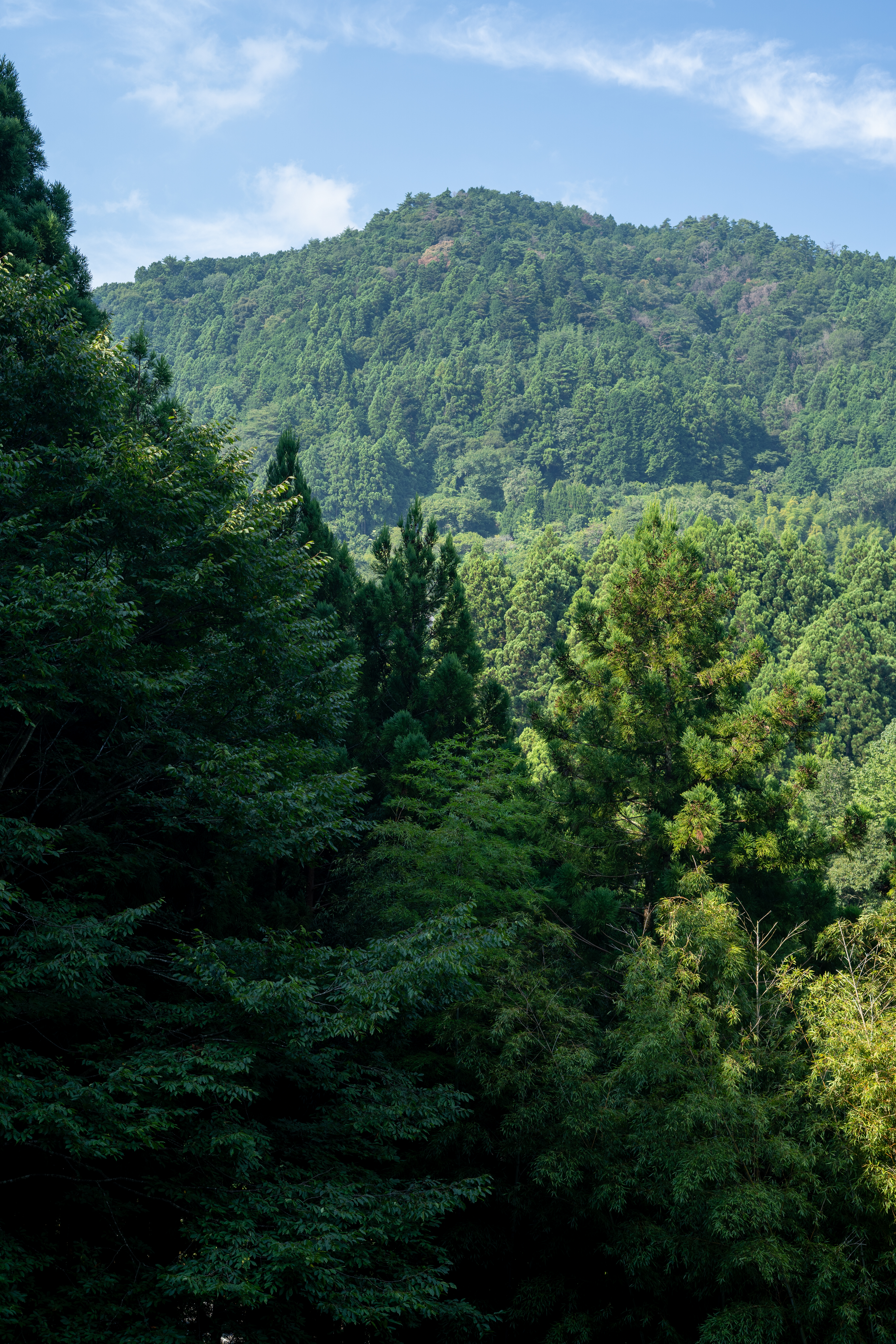
Nestled in the mountains of Shikoku, Kamikatsu is Japan’s first zero waste village. For two decades, residents have carefully sorted waste into 45 recyclable categories – a quiet yet radical approach that has made it a symbol for sustainability around the world and showcases a community-led effort to address an environmental crisis.
But zero waste here is more than recycling — it’s a way of life, valuing resources and fostering community.
A Collective Spirit
This zero waste philosophy touches many aspects of village life, including the unique tea tradition of Awa Bancha.
Awa Bancha’s creation is built upon a collective spirit. Families, neighbors, and friends gather, working side-by-side. Its shared labor strengthens the bonds between people and connects them to the land they nurture.

Nurtured by the Mountain


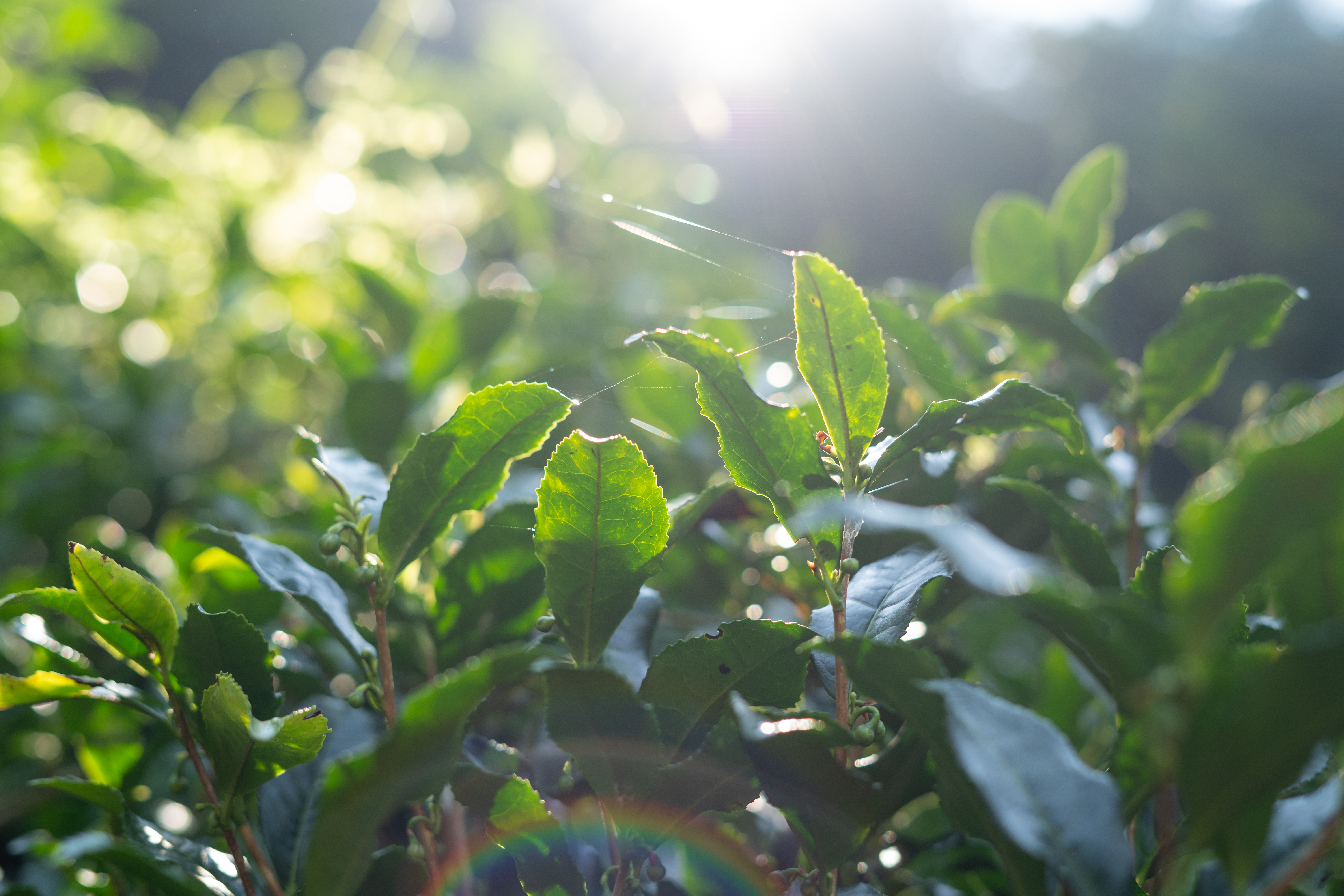
Unlike manicured tea plantations, Awa Bancha grows wild in the mountains of Kamikatsu, where locals have hand-picked tea for centuries during the peak of summer.
The process of making Awa Bancha is deeply intertwined with the rhythms of nature. Nestled among the tea bushes lies a thriving world of insects, plants, and animals—seen and unseen. This natural flurry of activity serves as a gentle reminder that humans are not separate from the ecosystem but a part of it.
The air buzzes with life—the chirping of birds, the songs of cicadas, the hums of dragonflies, and the cheerful banter of neighbors gathering to create Awa Bancha. Tea bushes, scattered across the mountain landscape, are harvested and prepared for fermentation.
Journey of Fermentation
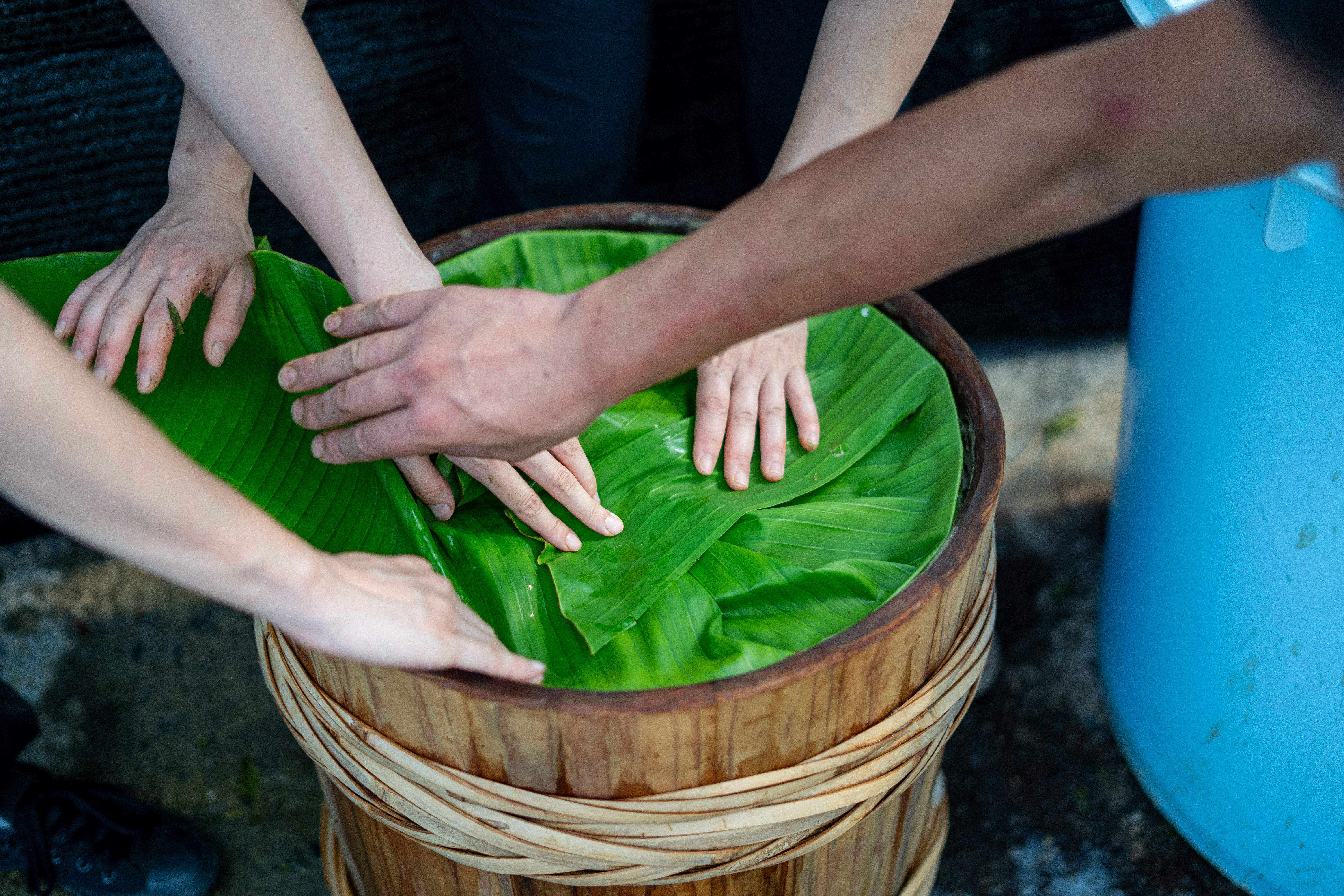
When the tea trees are stripped bare, the tea leaves are boiled and rolled to awaken natural microorganisms. Packed tightly in barrels, the soft green leaves begin their journey of fermentation – a process as unique as the families who guide it. Each barrel holds not just fermenting tea, but the distinct character of the household that prepared it, creating subtle variations in taste that tell the story of different hands and homes.
Weeks later, the leaves are hand-opened, leaf by leaf, and sun-dried. The result is an Awa Bancha that brews into a soft, golden tea with a hint of sourness that is both refreshing and comforting. With minimal caffeine, it’s enjoyed by people of all ages, from children to elderly, and from morning until evening.

Our Promise

Today, Awa Bancha faces a challenge. Making tea in the summer is tough labor. The unforgiving heat, the steep mountains and people growing older in Kamikatsu, have led many families to the difficult decision to stop making tea. When one family in Kamikatsu stops making tea, we lose not only a distinct flavour but also a piece of the culture and a unique way of experiencing the world.
By learning about Awa Bancha and the village of Kamikatsu, you’re supporting a living tradition, honouring the many farmers who work to carry on this rare tea practice.
This is an invitation to be part of Awa Bancha’s story. By appreciating this tea, you join a circle of care that stretches from the mountain slopes of Kamikatsu to wherever you may be, helping to ensure that this precious tradition – and the values it embodies – will continue to thrive for generations to come.
上勝阿波晩茶
When you have a cup of Awa Bancha, you’re not just holding tea – you’re holding a piece of Kamikatsu’s heart. In its golden depths, you’ll find the morning mist over the mountains, the laughter of neighbors working together, the patience of fermentation, and the wisdom of generations.
Kamikatsu Awa Bancha
“We hope that drinking this tea can be a symbol of hope for a world in which we can slow down, turn towards valuing local resources and skills, and turn away from one-time use, convenience, and cheap mass consumption.
While very labour intensive, Kamikatsu Awa Bancha is a case for slowing down – allowing nature to guide the process of growing, fermenting and drying the tea leaves alongside human parctices that are passed on through the wisdom of generations.
It’s about experiencing joy as producers and consumers by investing in products that bring value to people and nature”



Product Description
Kamikatsu Awa Bancha is a folk tea made in micro-batches by families living in Kamikatsu, Tokushima Prefecture. Made during the hottest part of summer, the mature tea leaves are handpicked from wild tea bushes in the mountains, fermented up to three weeks in a barrel and dried in the sun.
As one of Japan’s few fermented green teas rare, Awa Bancha has remained largly unknown due to its limited availability. Made once per year by Kamikatsu families, mostly for home consumption.
Harvest: Late summer
Region: Kamikatsu village, Tokushima


Limited Edition Chabako
With principles of sustainability and zero waste in mind, we decided to design a tea packaging based on an old Japanese tea box design called ‘Chabako’.
Chabako (Tea-Box) is a traditional Japanese hand-made box made out of Japanese Cedar, used to preserve and transport tea leaves since the late Edo period (1800s).
Each component of the box is sourced and handcrafted in Kamikatsu by Kamikatsu artisans. Inside the box, you find 25 g Awa Bancha Loose Leaf Tea wrapped in KEETO fabric, a natural fiber textile made with cedar trees. This tea box is made with Japanese cedar from Kamikatsu.
Product Contents
- 25 g Loose Leaf Awa Bancha (上勝阿波晩茶)
- KEETO Tenugui (手拭い)
- 1 Chabako (茶箱)
Product Characteristics
Kamikatsu Awa Bancha is a uniquely fermented green tea, characterised by a refreshing hint of sourness.
After picking, boiling and rolling, the leaves are tightly packed in a barrel, sealed with basho leaves and weighted down by heavy stones to start a process of anaerobic fermentation with lactic acid bacteria.
This process of fermentation results in a green tea with a underlying tone of acidity, a reduced bitterness and astringency.
While all Kamikatsu Awa Bancha is known for its sourness, the specific makeup of mircoorganisms is different from maker to maker in Kamikatsu, leading to a diversity of sour, sweet and smokey flavours.
Health benefits
Pesticide free, Awa Bancha is a naturally fermented tea made from tea trees growing wild in the mountains of Kamikatsu. Through its fermentation, Awa Bancha is low in caffeine and appreciated for its antioxidant activity resulting in positive gut health benefits.

Meet your makers
INOW is an educational organization with a mission to create a community of people who care about creating a waste-free, more circular society.
In between hosting guests, our INOW team assists farmers and makes its own tea to promote this little know cultural tea practice to a broader audience.
私たちは多くの友人や家族に支えられた小さなチームです。

Handcrafted in small batches
We only make tea once a year. We create a small batch to ensure we don’t create any waste.
The 2024 season batch was harvested from 1-3 August, fermented and aged in a wooden barrel for 3 weeks, and sun-dried for 3 days.
お茶を入れるのは年に一度だけ。無駄を出さないよう、少量生産にこだわっています。

Packaged with intension
We chose packaging that embodies sustainable design: locally sourced, crafted and with the intention to be reused.
For our tea box, we worked together with a local artist who designed the overall box and art. The wood is sourced from our village and transformed into a box by a local craftsman. The tea leaves inside the box are wrapped into a natural, fully-compostable fabric sourced from abandonned Kamikastu cedar plantations.
The paper label can be easily removed and the container can be refilled, reused for storage or repurposed to decorate your home.
リサイクルのために分別しやすい包装を選びました。紙のラベルは簡単に剥がすことができ、茶箱は再利用できます。
Kamikatsu Awa Bancha Tea
Frequently Asked Questions
上勝阿波晩茶
Frequently Asked Questions
We gathered the answers to some popular questions below.
If you can’t find your question below feel free to contact us, and we’ll be happy to help.
How do I steep and enjoy awa bancha?
1. Prepare a 450-mL teapot.
2. Add 3 g of full leaves in the teapot, and pour in boiling water.
3. Cover the teapot and wait for 3-5 minutes.
4. Pour into a cup and enjoy.
Can I have it hot & cold?
Yes, please enjoy it hot or cold.
There’s nothing more refreshing than a glass of cold awa bancha tea on a summer’s day. Steep the tea leaves in cold water and store overnight in the fridge.
Do you ship internationally (outside of Japan)?
Currently, we only offer delivery anywhere in Japan.
Please contact us for special inquiries.
上勝阿波晩茶の楽しみ方
一、二五〇ミリリットル急須またはティーポットを用意します。
二、お湯を沸かし、急須にティーパックをセットしたらお湯を注ぎ入れます。
三、蓋をして、五分待ちます。
四、好みのカップに入れてお楽しみください。
冷やして飲める?
夏の日の冷たい阿波晩茶ほど爽やかなものはない。
ティーバッグを冷水で蒸らし、冷蔵庫で一晩保存する。